
Do you know how much a surface matters?
Get the free surface treatment guide with three simple examples.
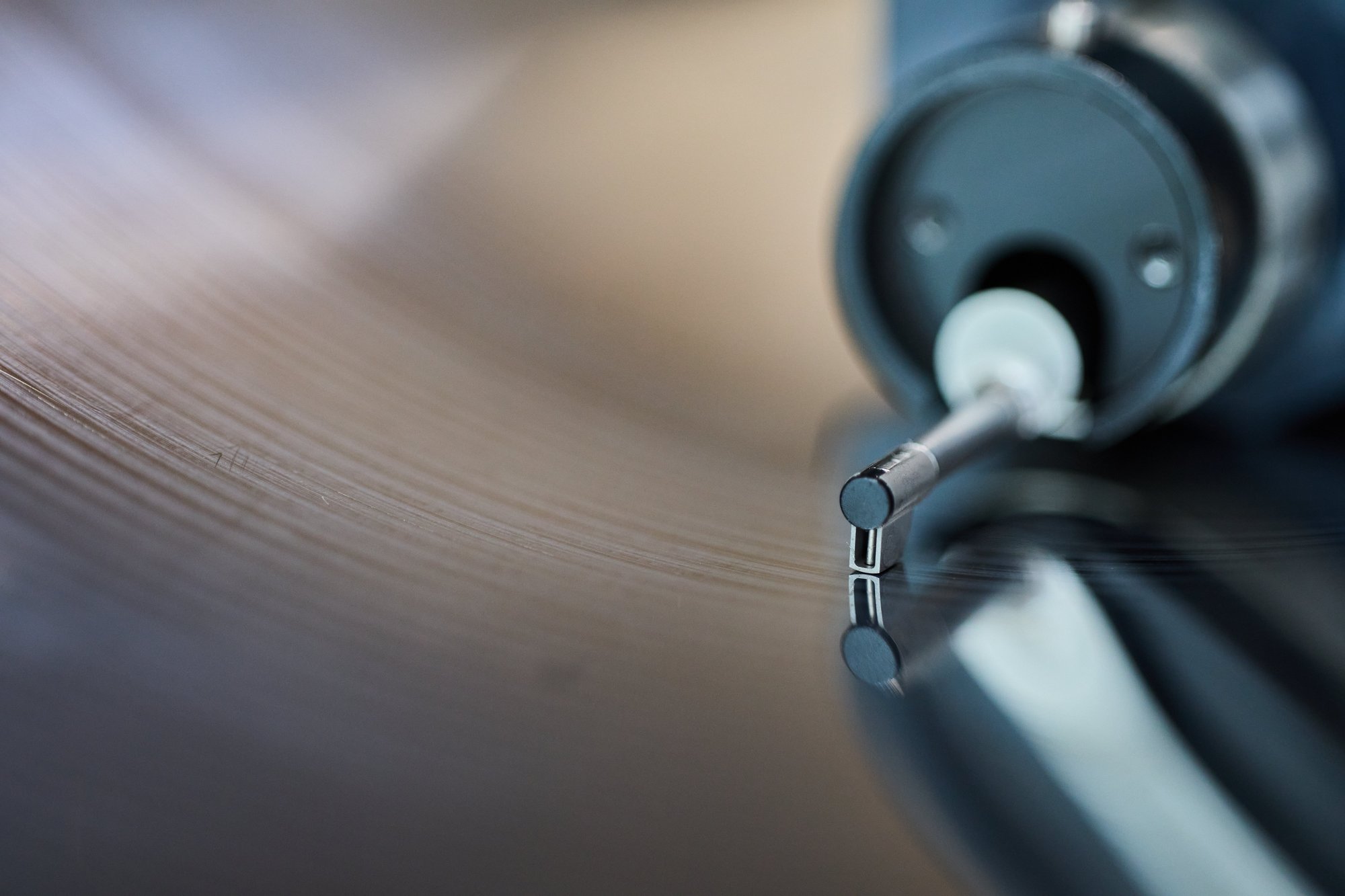
The surface determines the efficiency of the component
Every manufactured component has a specific function to fulfil and must enable it to do so as efficiently as possible. The decisive factor for this is the shape of the surface.
As a connecting element between the environment and the component, the surface influences many different aspects, such as friction or dynamic strength.
More and more engineers are using so-called surface engineering or the targeted adjustment of the properties of the surface topography and the near-surface layer for this purpose.

Roughness affects
friction

Compressive residual stress increase dynamic strength

Increase work hardening, hardness and strength

The surface interacts with the environment and is therefore essentially responsible for the application behavior of components. The surface is usually described by its geometric shape. This means that the topography can be described using 2D or 3D roughness parameters. Different parameters can then be used to optimize component properties, such as friction, in a targeted manner.
A plateau-like surface, such as that created during honing, can be used in metalworking to efficiently reduce friction. This allows the efficiency of a machine to be increased and the surface area has a direct impact on the sustainability of the entire product.
Below the surface lies the so-called subsurface area. It is influenced by the manufacturing process and differs from the basic structure in terms of material properties. Parameters such as hardness, texture, microstructure or residual stresses can vary. A harder surface, for example, minimizes abrasive wear. This is exploited in coatings.
An often discussed parameter is the residual stress state. Residual stresses are stresses inside a component, even when there is no load. Targeted adjustment of compressive residual stresses usually leads to a multi-fold increase in the fatigue strength of a component.
You can find more information about this in the free introductory guide to mechanical surface processing.
Surface Engineering through mechanical surface treatments
The properties of a surface can be introduced in a targeted and reliable manner by means of mechanical surface treatment. In this way, the desired functions of the components can be achieved in a cost-efficient and reproducible manner.
The most well-known methods for mechanical surface treatments:
Shot peening
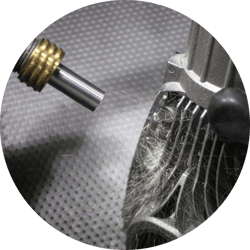
Roller burnishing
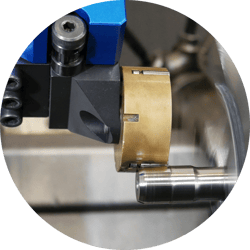
Deep rolling
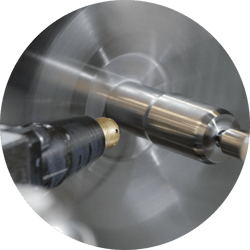
Diamant smoothening
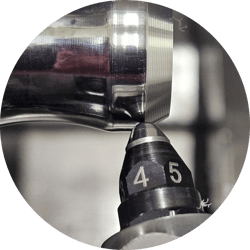
Mechanical indentation of a diamond hemisphere into the surface. By pressing, the diamond rubs over the surface and thus smoothes the surface.
Machine hammer peening
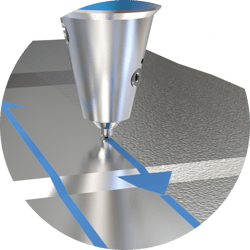
Skive-burnishing
About ECOROLL AG Werkzeugtechnik
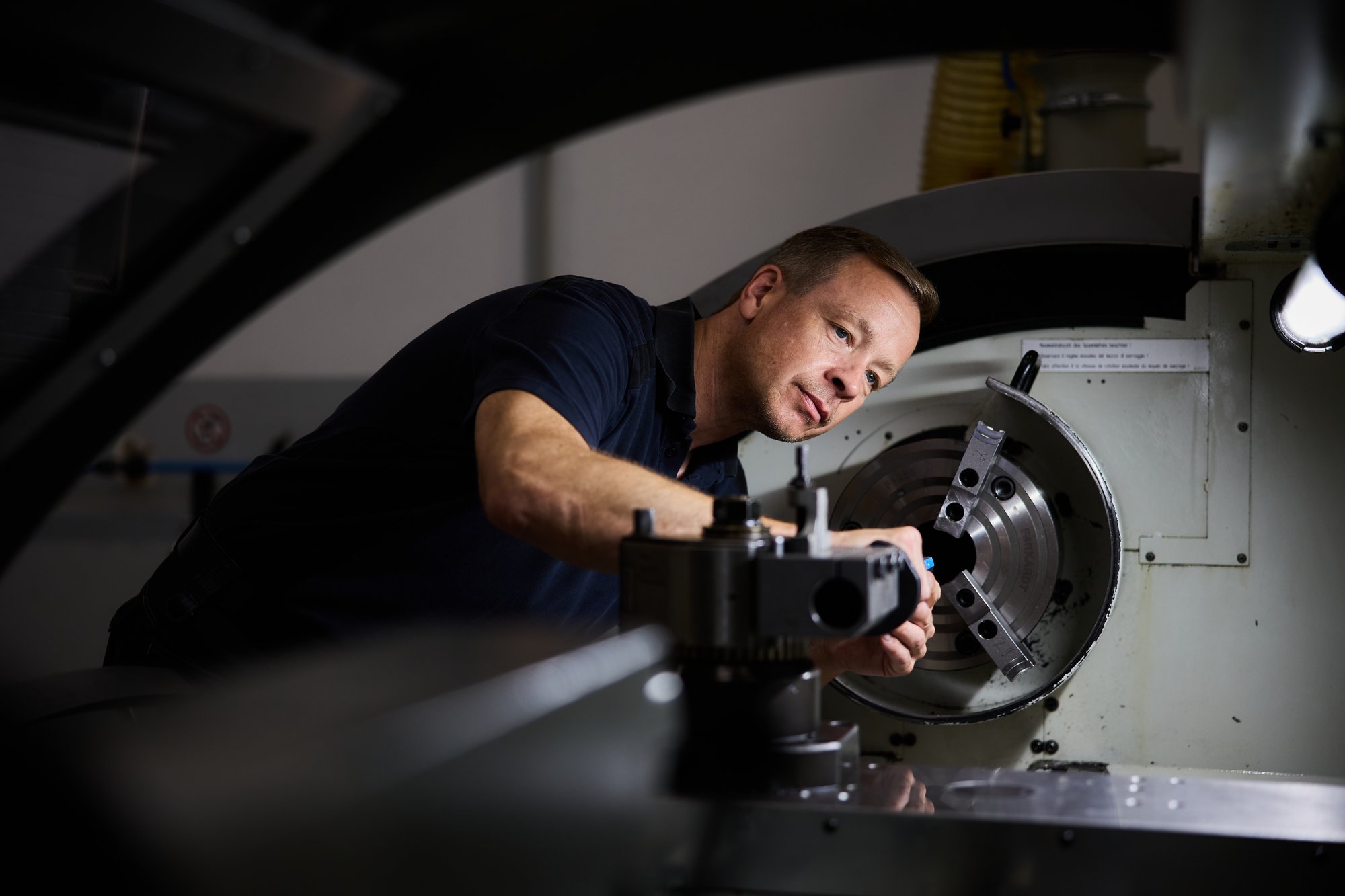
ECOROLL AG Werkzeugtechnik is the leading supplier of tools and machines for the mechanical surface finishing of metallic workpieces. Through close cooperation with our customers, demand-oriented tools and machines for smoothing (burnishing) and deep rolling as well as for cylinder processing are developed, produced and sold worldwide.